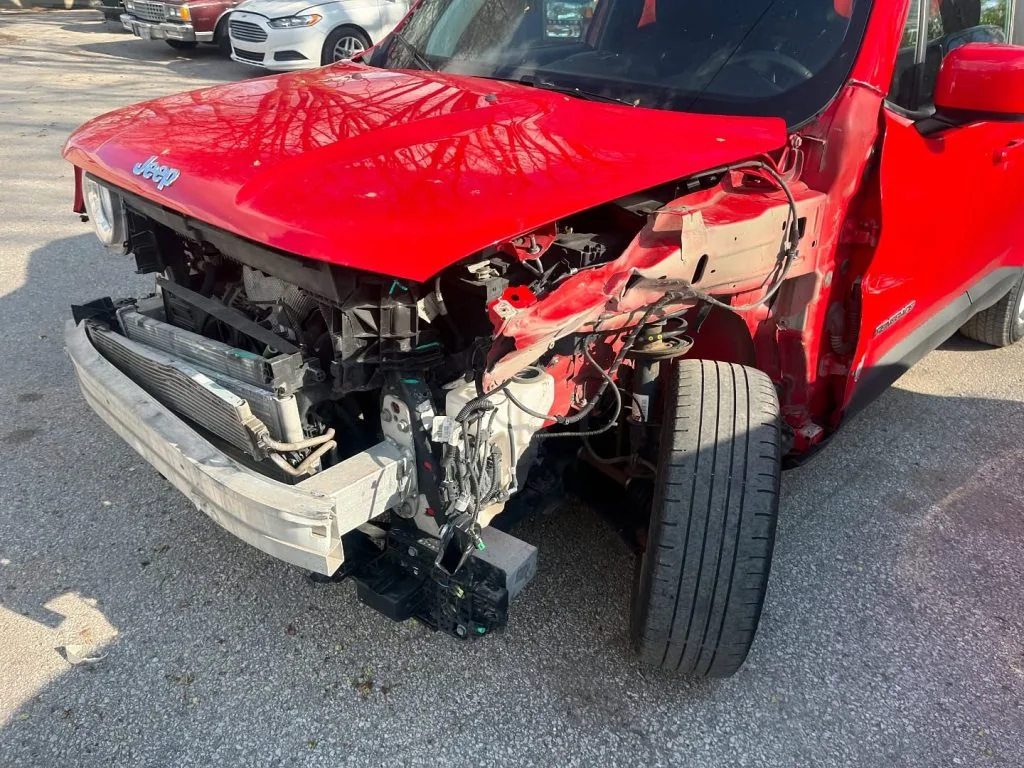
Start with the vehicle and the damage
Have the year, make, model and vehicle identification number (VIN) available if you can. Similar-looking vehicles can have different trim, lighting, sensors and parts. Those details help a shop identify what it is looking at rather than relying on a model name alone.
Explain what happened in plain language: where the vehicle was hit, what you noticed afterward and whether anything has changed since then. Mention a door that no longer closes normally, a light that stopped working or a new dashboard warning. Don’t try to decide which repair each symptom requires.
- Year, make, model and VIN, if available
- Your contact information and a good callback number
- A short description of the damage
- Photos taken from a few useful angles
- Any claim number or existing estimate
- Questions about scheduling and transportation
Take photos that give the damage context
If it is safe to do so, take one photo showing the whole affected side, another from a few steps closer and a close-up of the damage. Include adjacent panels so the shop can see where the damage sits on the vehicle. Daylight and a clean camera lens help more than filters or editing.
Photographs can help start an estimate, but they cannot show every broken attachment, damaged reinforcement or condition behind an exterior panel. A photo-based estimate may need to change after an in-person inspection or disassembly. It also is not a determination that the vehicle is safe to drive.
Bring the paperwork you already have
If insurance is involved, bring the claim number, insurer contact details and any estimate you have received. If you are paying directly, simply say so. You do not need to invent missing claim information to start a conversation.
Bring records for relevant previous repairs if you have them. An existing estimate is useful context, but two estimates may describe different parts, labor operations or assumptions. Comparing only the bottom-line price can hide those differences.
Ask what the estimate includes
A useful conversation goes beyond “How much?” Ask the shop to walk through the proposed scope and what is still uncertain.
- Which parts are expected to be repaired, and which may need replacement?
- What kind of replacement parts are included in the estimate?
- Does the paint work include blending into nearby panels?
- Are inspections, scans or calibrations included when the vehicle’s repair procedures require them?
- What could change once hidden areas are inspected?
- How will additional work be explained and authorized?
The shop may not be able to answer every detail before inspecting the vehicle. The important thing is to distinguish what is known from what is still being evaluated.
Talk about timing before arranging a drop-off
Ask whether the first visit is for an estimate or for the start of repair. Those are not always the same appointment. Share any work, family or fleet scheduling constraints early, and ask when a more reliable repair timeline will be available.
Parts availability, the extent of damage and any additional required work can affect timing. Confirm the drop-off plan and who will contact you about changes before making transportation arrangements.
Getting an estimate in Belton
G Town Autobody is at 1016 N Scott Ave, Unit E, in Belton, Missouri. You can start a free, no-obligation estimate online or call 816-425-4234 to discuss the next step. If you are coming from Raymore, Peculiar or another nearby community, call ahead to confirm the visit you need.
General preparation guidance. Repair scope, pricing, scheduling and insurance coverage depend on the individual vehicle and situation. For additional consumer guidance on written estimates and repair questions, see the Federal Trade Commission’s Auto Repair Basics.