Build one clear record for each vehicle
A nickname such as “the white truck” works until you have two of them. Use a consistent unit number and include the VIN, year, make, model and current mileage. Add the name of the person who can answer questions about that vehicle.
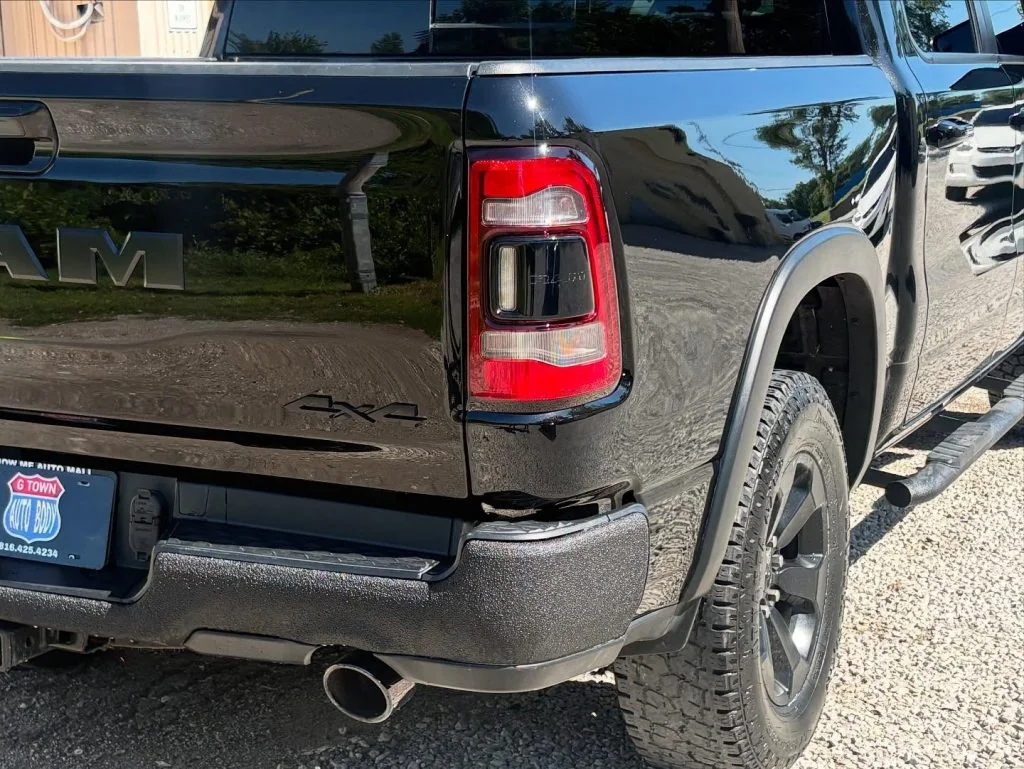
Attach photos of each damaged area and a short description of what happened. Keep separate damage incidents separate in the record. If a vehicle has graphics, a wrap, racks or other equipment near the damaged area, flag those details at the start so the shop can discuss whether they affect the proposed work.
- Unit number and vehicle details
- Damage photos and incident description
- One primary contact and one backup
- The person authorized to approve the work
- Billing or claim reference, if applicable
- Vehicle availability and operational constraints
Separate operational priorities from repair decisions
Your dispatcher knows which truck has the busiest week. Your body shop needs to evaluate what the damage requires. Share business priorities, but don’t assume that a dent is only cosmetic or that a damaged vehicle can remain in service because it still moves.
If vehicle condition or warning indicators raise a concern, ask an appropriate repair professional about inspection and transport before assigning the next job. A photograph or scheduling plan cannot determine whether a vehicle is safe to operate.
Make approvals easy to route
Pick a primary decision-maker and share a reliable way to reach them. Clarify whether another person handles invoices, insurance or purchase-order references. When those responsibilities are unclear, a question about additional damage can spend time moving between people instead of being answered.
Ask how the shop will communicate estimate changes and obtain approval. For a multi-vehicle repair plan, maintain a separate scope and authorization record for each unit. A conversation about one truck should not be mistaken for approval on another.
Discuss the sequence before promising availability
If you have several vehicles that need work, ask whether staggered appointments make sense. Explain which units can be released first and whether you have spare capacity. The shop can then discuss its schedule and what needs to be inspected before it can plan the work.
Be specific about the type of milestone you need: the estimate visit, planned drop-off, expected parts arrival or a tentative completion date. These are different events. An estimate appointment does not automatically mean that repair work starts the same day.
Plan for changes without assuming a delay
Some details become clear only when a vehicle is inspected more closely or damaged parts are removed. Parts availability and additional required operations can also change a plan. Ask when the next meaningful update will happen and how schedule changes will be communicated.
Keep your internal schedule flexible until the shop confirms the applicable milestones. Avoid reassigning a vehicle based only on an early target date. When the vehicle is ready, confirm pickup arrangements and any remaining questions about the completed work.
Talk to a local shop about your fleet
G Town Autobody handles fleet body repair as part of its service offering in Belton, Missouri. Call 816-425-4234 with the number and type of vehicles, the damage involved and your scheduling priorities. The conversation can start with one unit; it does not require a one-size-fits-all plan.
Need to prepare the first vehicle? Our auto body estimate checklist covers useful photos, paperwork and questions to bring.
General planning guidance for vehicle owners and fleet coordinators. This is not a fleet service-level agreement or a promise of turnaround, parts availability, credit terms or vehicle roadworthiness. Confirm the individual repair scope and schedule with the shop.