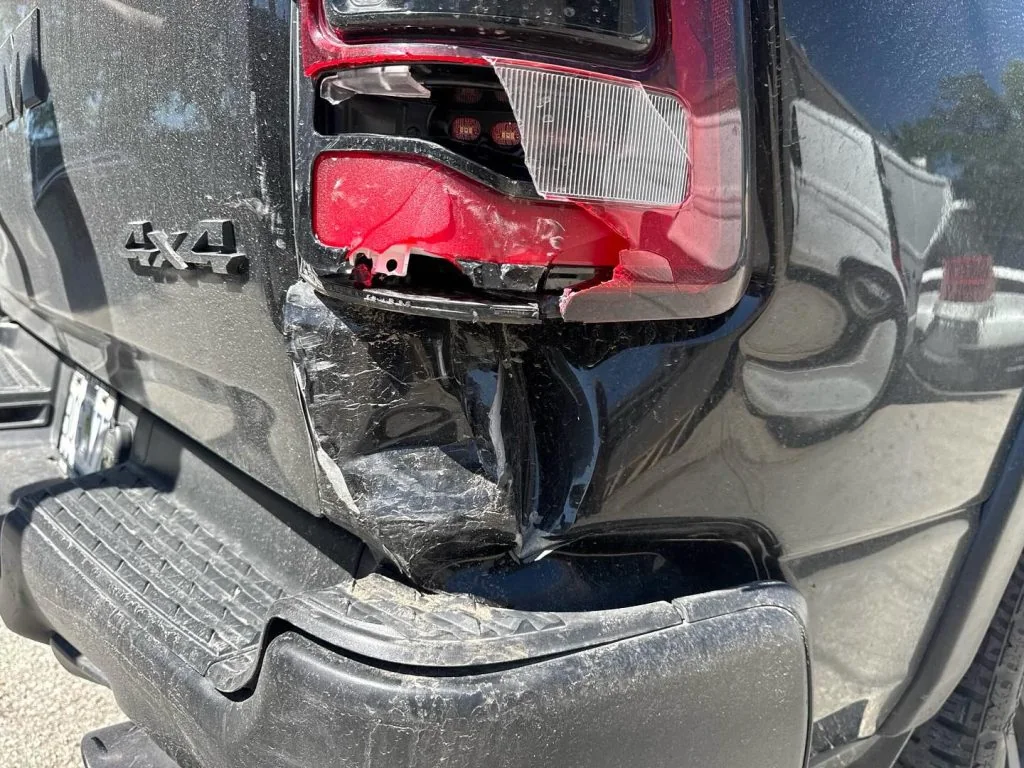
Start with what the panel is made of
“Body panel” is a broad description. Exterior parts can use different grades of steel, aluminum, plastic and other materials. A method appropriate for one material or location may not be appropriate for another.
A repair plan needs to account for the vehicle manufacturer’s applicable procedures and the condition of the part. The right question is not simply whether someone can make the surface look smooth. It is whether the proposed work is appropriate for that component and the vehicle.
Look at the location, not just the size
A dent across a broad, accessible area can be a different problem from damage on a sharp body line, an edge, a seam or a mounting point. Stretching, tears, cracks and previous work can also change the evaluation.
Adjacent parts matter, too. For example, a damaged bumper cover may be accompanied by damage to brackets or other components behind it. The visible outer surface is only one part of the inspection.
- The material and exact component involved
- Damage depth, location and extent
- The condition of edges, attachments and nearby parts
- Applicable manufacturer repair procedures
- Relevant sensors or other vehicle equipment
- Repair labor, parts availability and finishing work
Understand why hidden damage can change the estimate
An initial estimate may be based on the damage that can be seen without removing parts. Once the shop can inspect behind that area, it may find additional damage or a condition that changes the proposed repair.
That is a reason to ask about the estimate process early. Find out how the shop documents additional findings, explains a revised scope and requests authorization. An early repair-versus-replace discussion should leave room for facts that are not yet visible.
Remember the equipment around the panel
Modern vehicles may have sensors, cameras and other equipment in or near an area being repaired. Depending on the vehicle and repair, manufacturer procedures may call for additional operations, such as scans or calibrations.
Not every repair requires the same steps, and not every model has the same equipment. Ask how the shop identifies the procedures that apply to your vehicle rather than assuming a universal rule from a different car.
Compare the full scope
Replacement is more than the price of a new part. Repair is more than the time spent straightening a surface. Either path may involve removal and installation, preparation, refinishing, related materials and other necessary operations.
Paint blending into a neighboring area may also be part of the proposed finish plan. Ask the estimator to explain the operations included in each option and what remains uncertain. A cheaper-looking line item does not necessarily represent a lower total or an equivalent scope.
Questions worth asking your estimator
- What did the inspection show about this particular part?
- Why are you recommending repair or replacement?
- Which manufacturer procedures apply to the damaged area?
- What surrounding parts or equipment need to be checked?
- What could change after disassembly?
- What paint and finishing work is included?
There is no single photo, dent-size threshold or online price that settles every case. A good next step is an explanation tied to your vehicle and the damage actually found.
Have damage you’d like us to look at?
Start a free estimate with G Town Autobody or call 816-425-4234. Our Belton shop can help you begin the conversation about collision damage, bodywork and painting.
General educational guidance, not a vehicle-specific repair method or roadworthiness assessment. Actual procedures depend on the vehicle and damage. The I-CAR Repairability Technical Support resource explains the role of vehicle-specific collision repair information.